


In Conversation with Lynne Charles
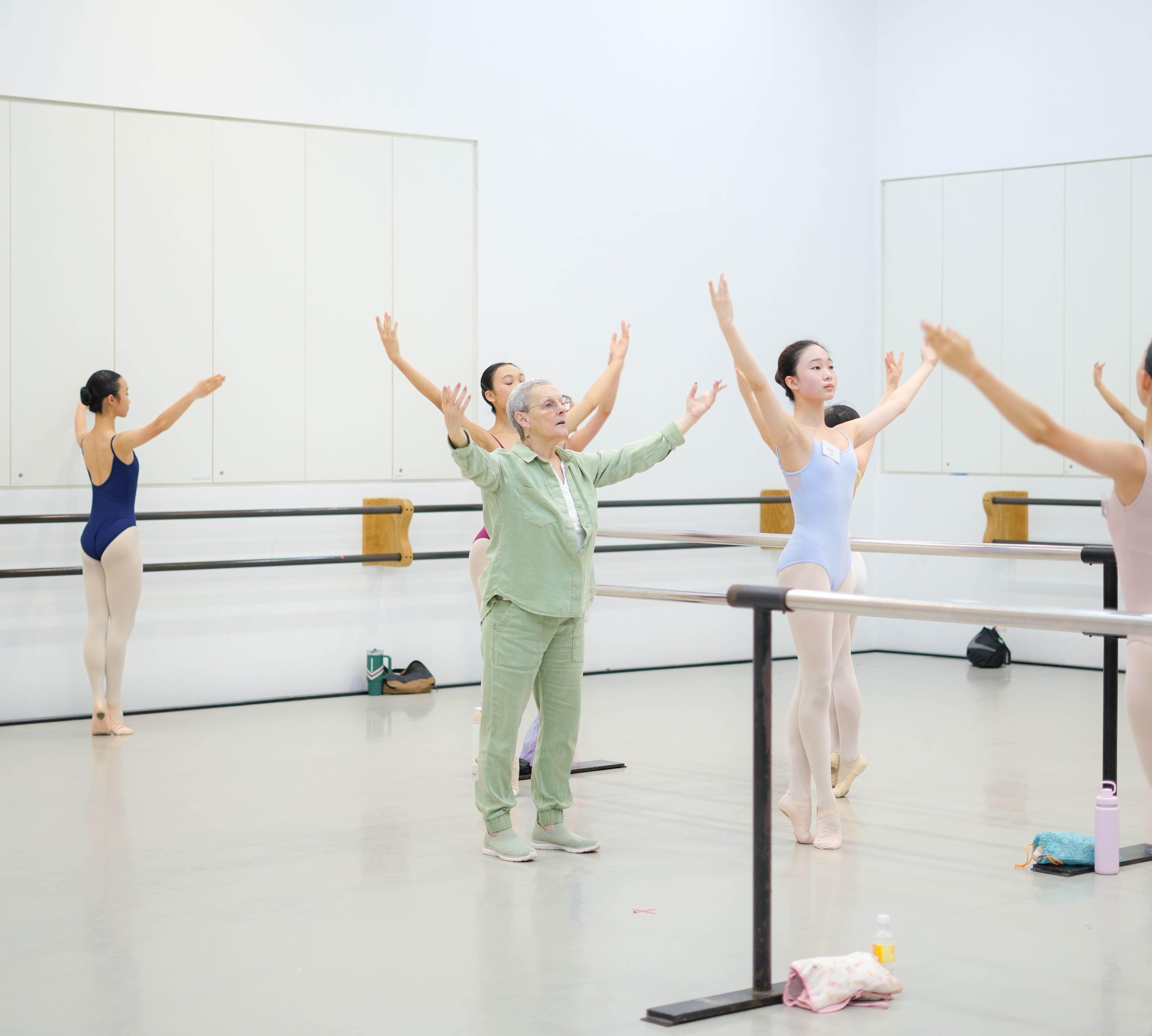
Lynne Charles is the Artistic Director of the English National Ballet School, and a respected voice in contemporary dance education.
Lynne Charles has spent a lifetime in the studio. Watching bodies change. Listening to movement. Asking not only how dancers succeed, but how they last.
Her work sits at the meeting point of tradition and care. Of discipline and sustainability. She believes that great training should protect curiosity, nurture wellbeing, and leave room for dancers to grow into who they are meant to become.

This conversation reflects a philosophy shaped by patience, responsibility, and a deep respect for the next generation of dancers.
Leadership, vision, and shaping the future of dance education
You have worn many hats as a dancer, teacher, mentor, and innovator. What does being an Artistic Director mean to you today?
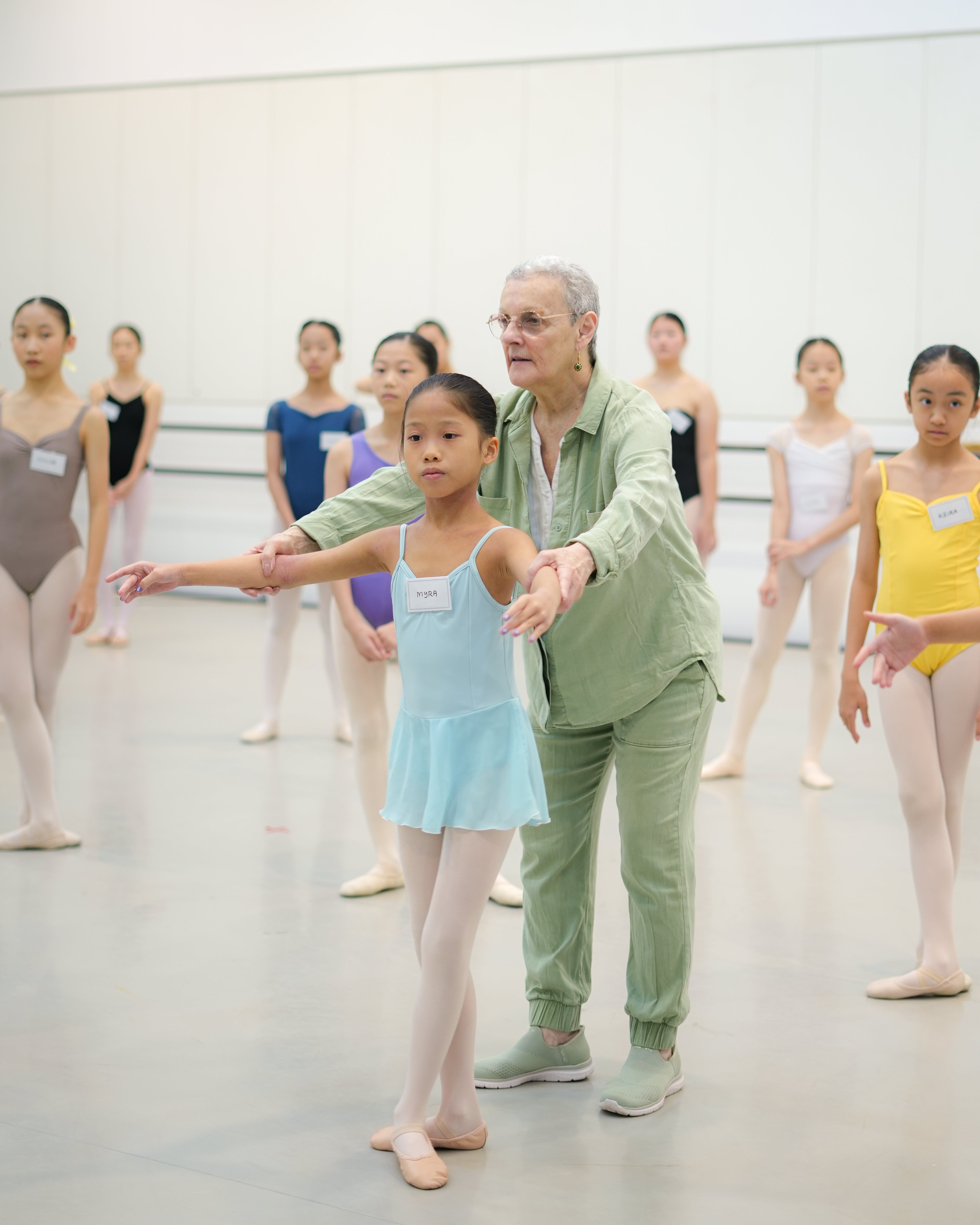
It means guiding a new generation of dancers into a world that is constantly changing. Beyond technique, it is about giving students the tools to adapt, to think, and to sustain a life in dance.
It also means leading teachers and staff with clarity and care, and creating an environment where people feel supported, challenged, and inspired to grow.
Tradition, change, and stepping into ENBS
How did it feel stepping into a school with such strong tradition, yet one that must continue to evolve?
At first, it felt quite natural. Over time, I became more aware of the complexity and the responsibility that comes with the role.
I see more clearly now how limited job opportunities can be, how quickly expectations shift, and how difficult change can feel within established systems. That awareness is not always comfortable, but it is necessary if we want progress.
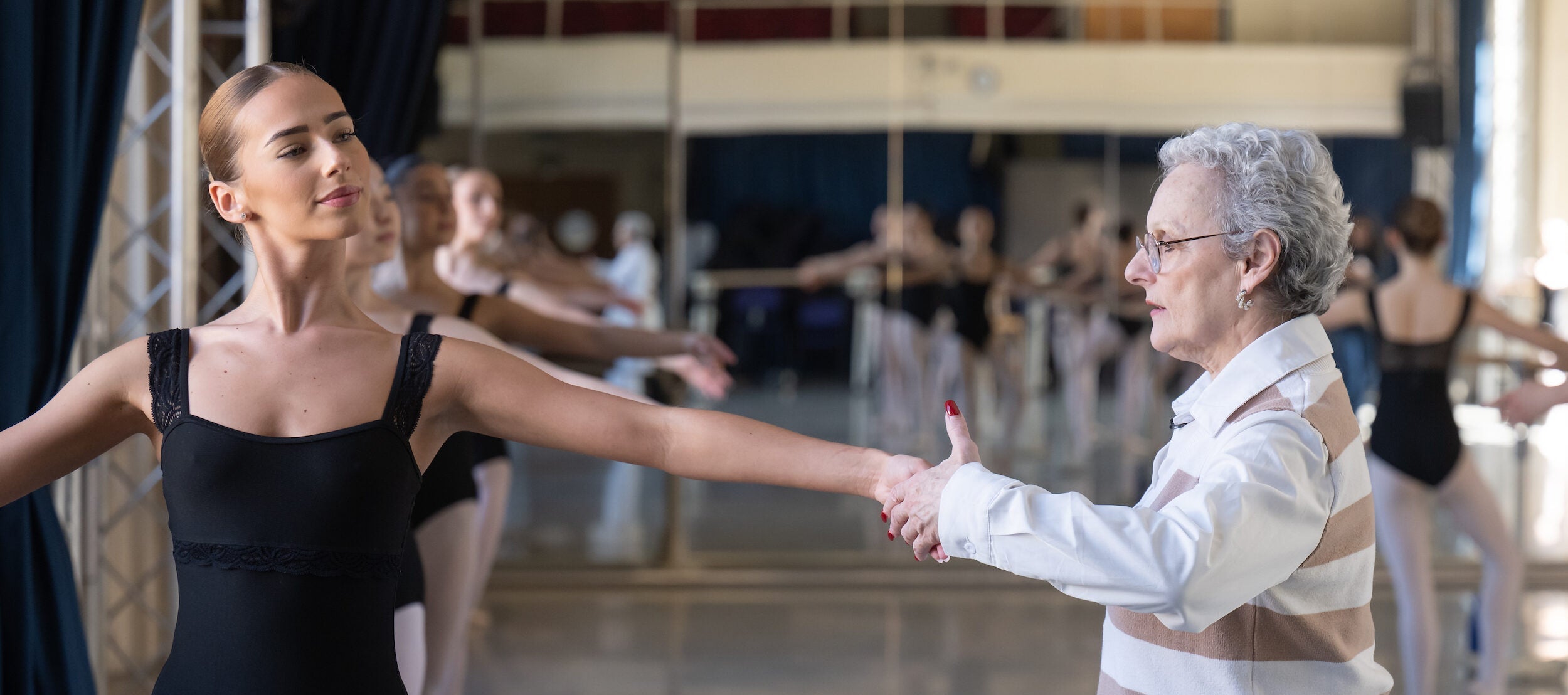
A vision for the future
What is your vision for ENBS under your direction?
I want the school to be known for having a genuinely healthy environment. A place dancers want to be because they know they will learn, improve, and develop in a way that is safe and sustainable.
For me, this is the future of dance education.
How do you work toward that vision?
By working closely with health and wellbeing professionals, by educating both students and staff, and by accepting that the world has changed. We cannot train dancers the way we once did. We have to respond to how bodies, environments, and expectations are different today.
What makes a complete dancer
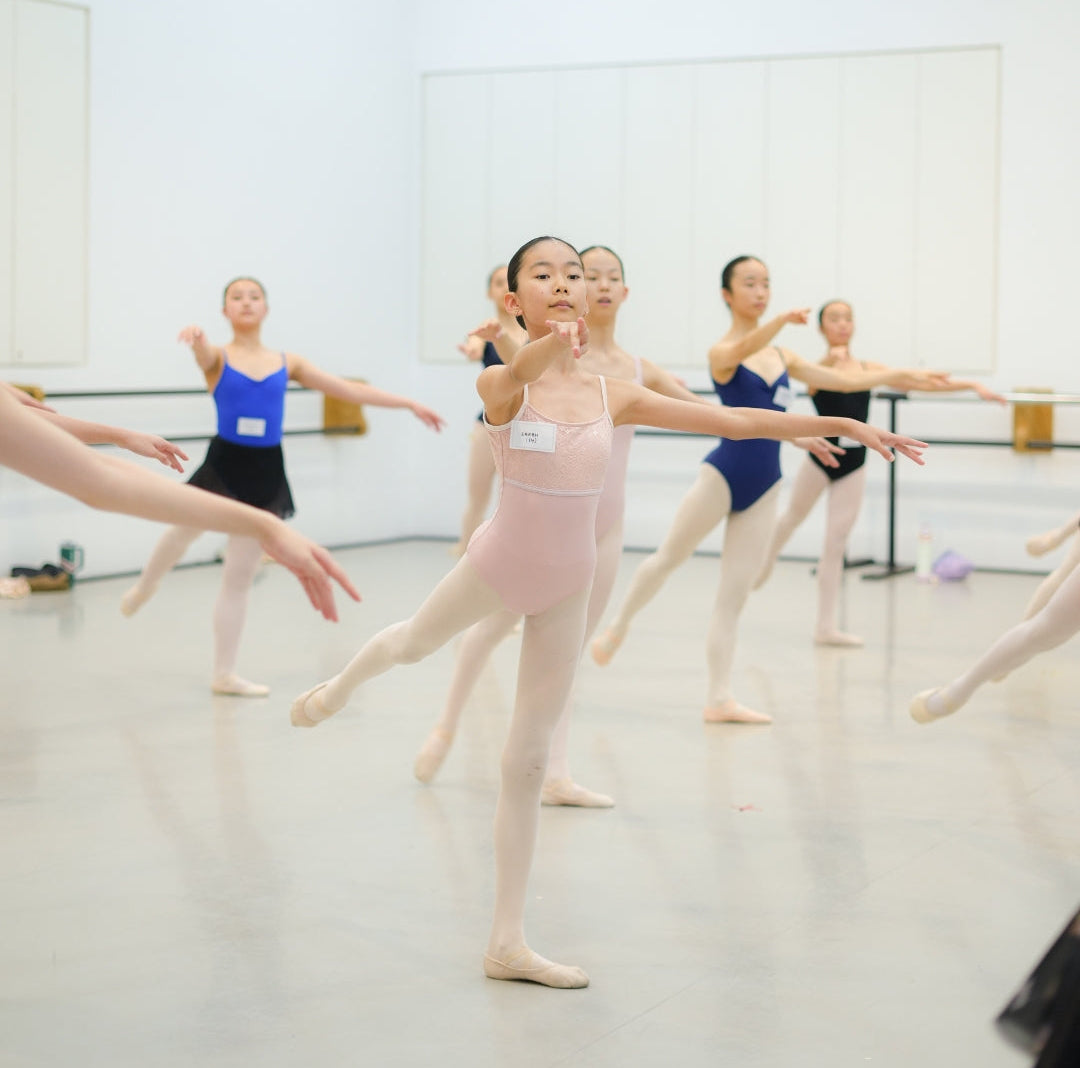
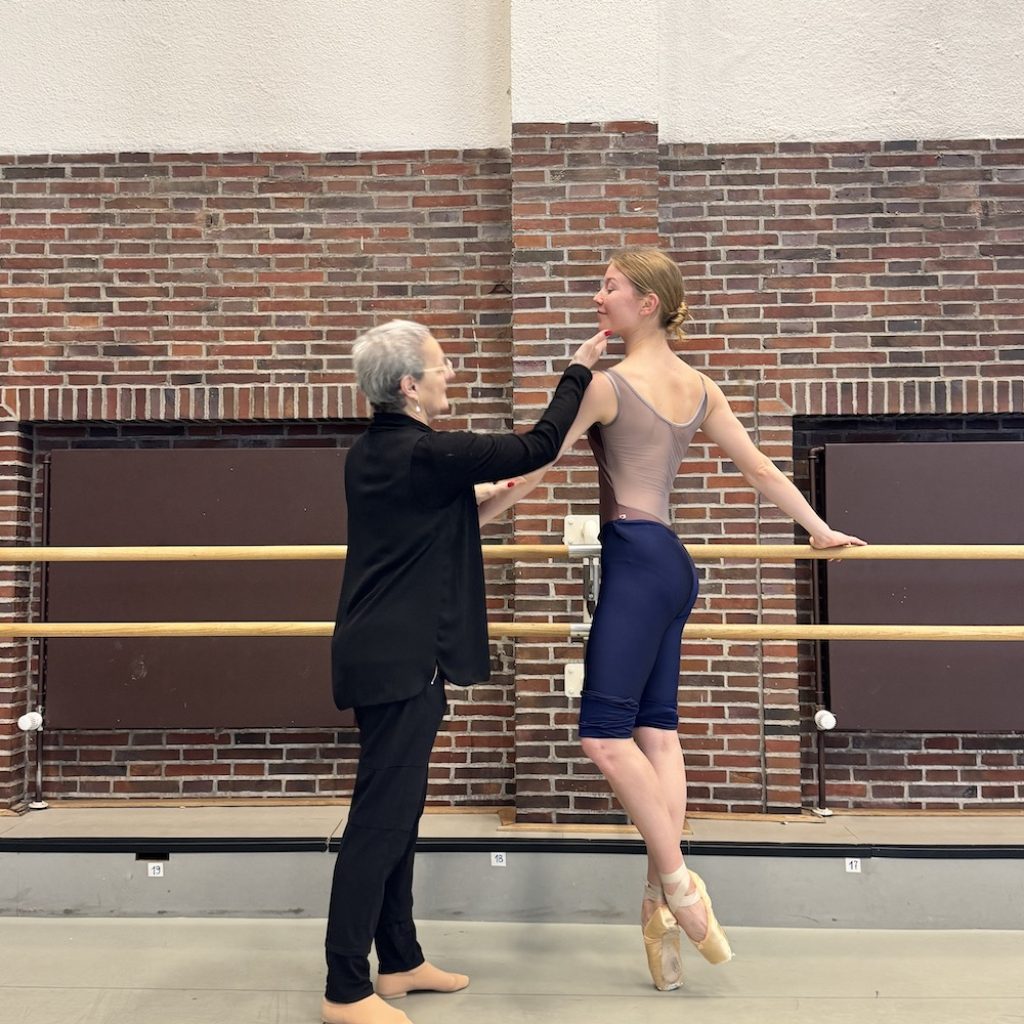
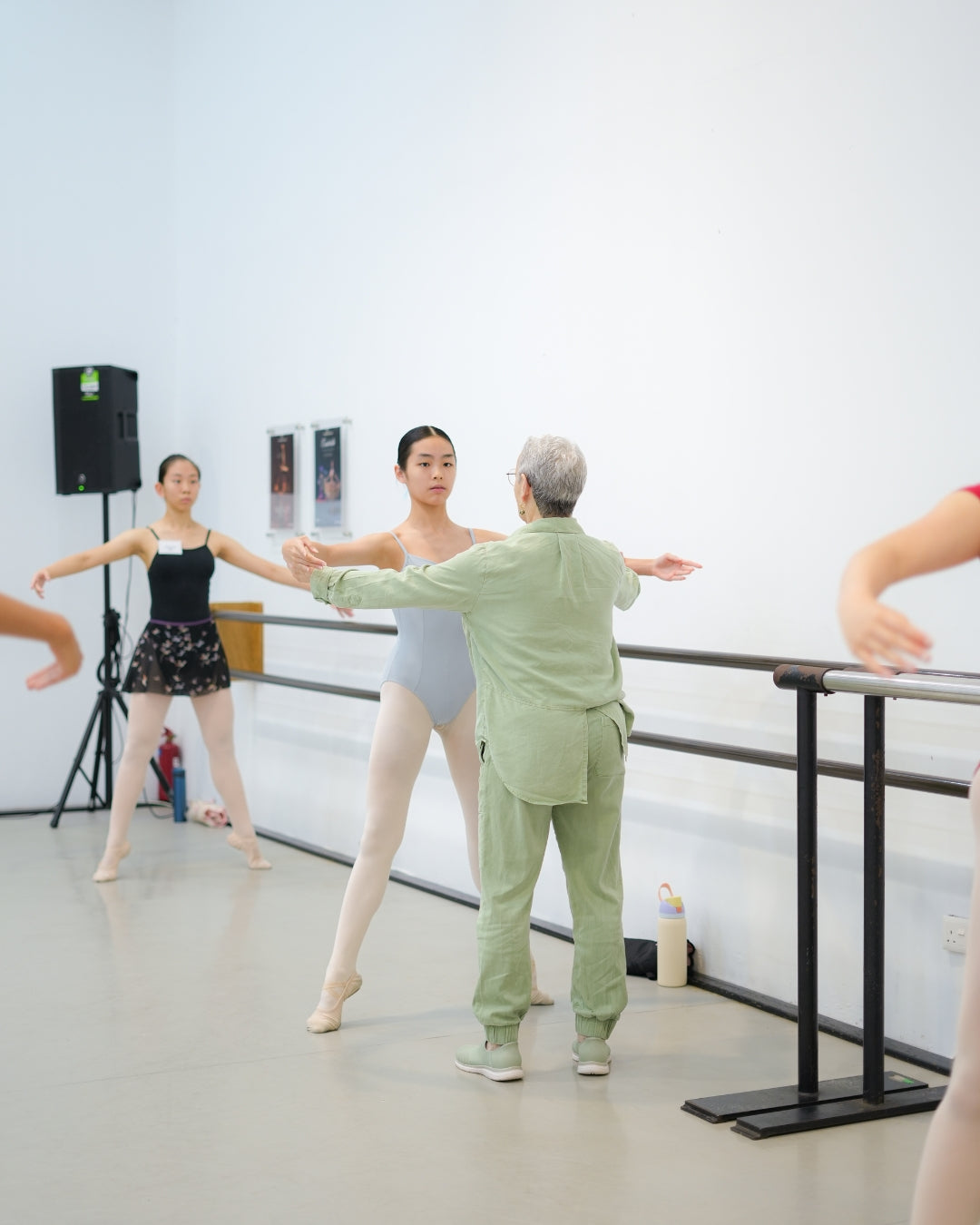
Beyond technique, what defines a complete dancer to you?
Steps and tricks are tools. They can be learned. But they do not, on their own, make a dancer.
How important is mindset in this?
It is essential. Dancers must be open minded and willing to step outside their comfort zones. Growth happens there.
If you remain comfortable, you only ever discover what you already know. Challenge is what reveals possibility.
Burnout, pressure, and sustainability
Burnout is increasingly common. How can the dance world respond?
Burnout often comes from pushing dancers too far, too young. Children need time to develop naturally, physically, emotionally, and creatively.
When dancers are rushed into intensity and competition before their bodies and minds are ready, burnout becomes almost inevitable. A slower, age appropriate progression creates stronger, more resilient dancers over time.
Change within institutions
Large institutions can be slow to evolve. What change feels most urgent to you?
We must prepare students for futures beyond the traditional ballet pathway. The job market is small, and if young people devote years of their lives to studying dance, we have a responsibility to ensure they have possibilities ahead of them.
That might include becoming répétiteurs, choreologists, educators, historians, or moving into other dance related fields. Dance education needs to reflect the realities of today, not the assumptions of the past.
Working within structure
What has been the greatest challenge in leading change?
Understanding the role of rules and regulations. Some protect standards and serve an important purpose. Others can unintentionally slow progress.
The challenge is finding balance. Respecting structure, while still giving students the training they truly need.
Teachers, individuality, and shared direction
How do you balance individual teaching styles with a unified vision?
It is about finding a middle way. Teachers should never lose their individuality.
At the same time, a school needs direction. Today’s dancers must be physical, articulate, artistic, and open minded. Creating alignment around those values, without enforcing uniformity, is essential.
Community and Collaboration
Dance education does not exist in isolation. What does community mean to you?
Lynne Charles
“Dance should be about sharing. Sharing knowledge, resources, opportunities, and experience.”
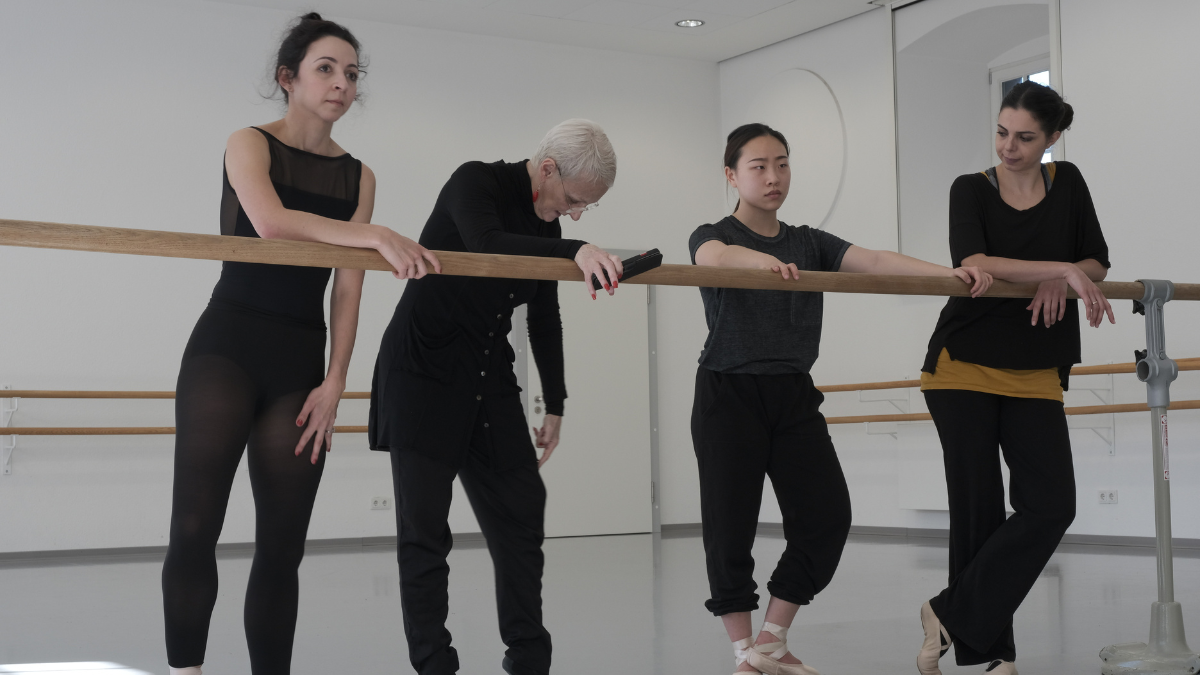
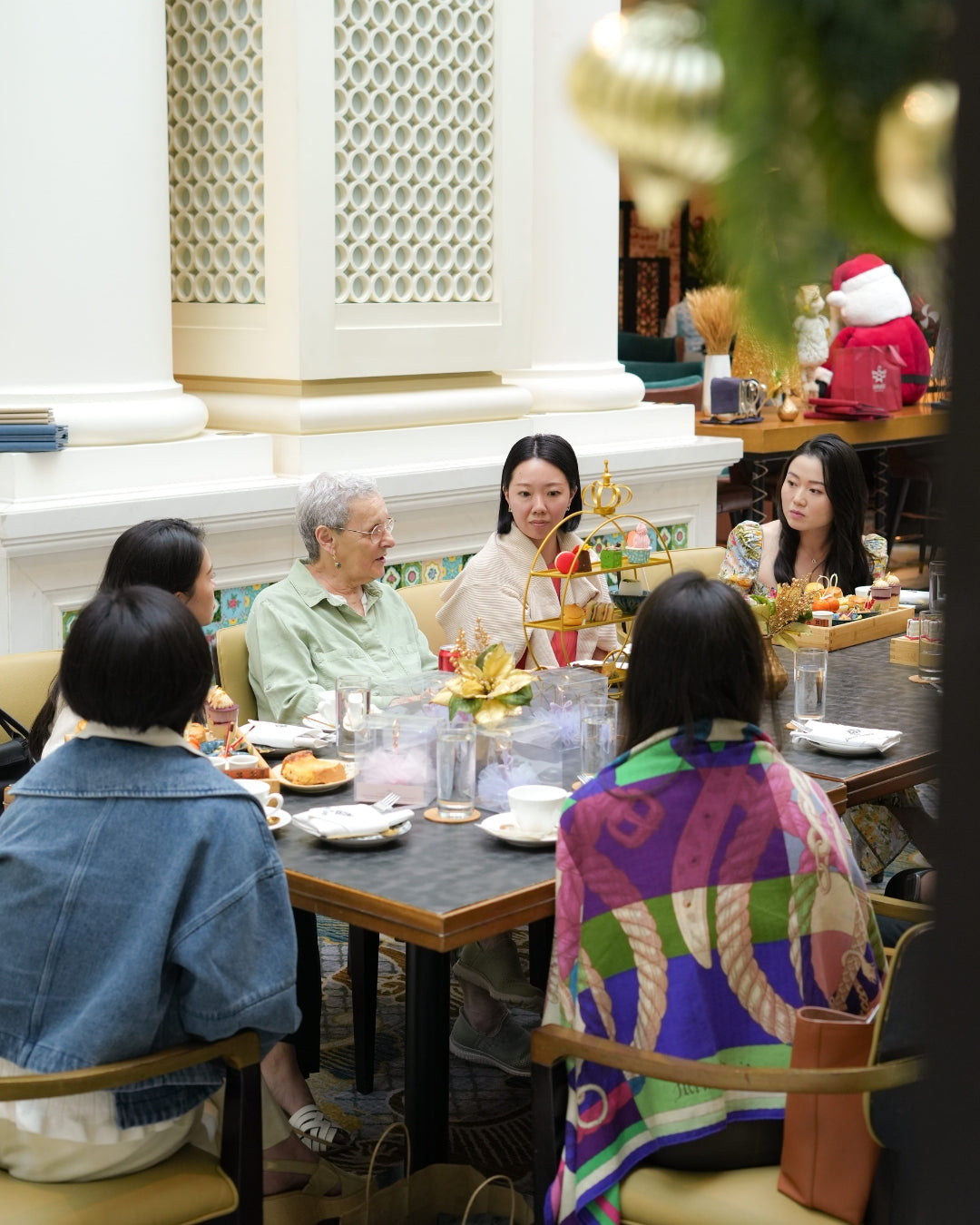
Community means collaborating with other schools, sharing teachers and dancers, lending costumes, and supporting one another. Every organisation has something valuable to contribute, and collaboration strengthens the whole ecosystem.
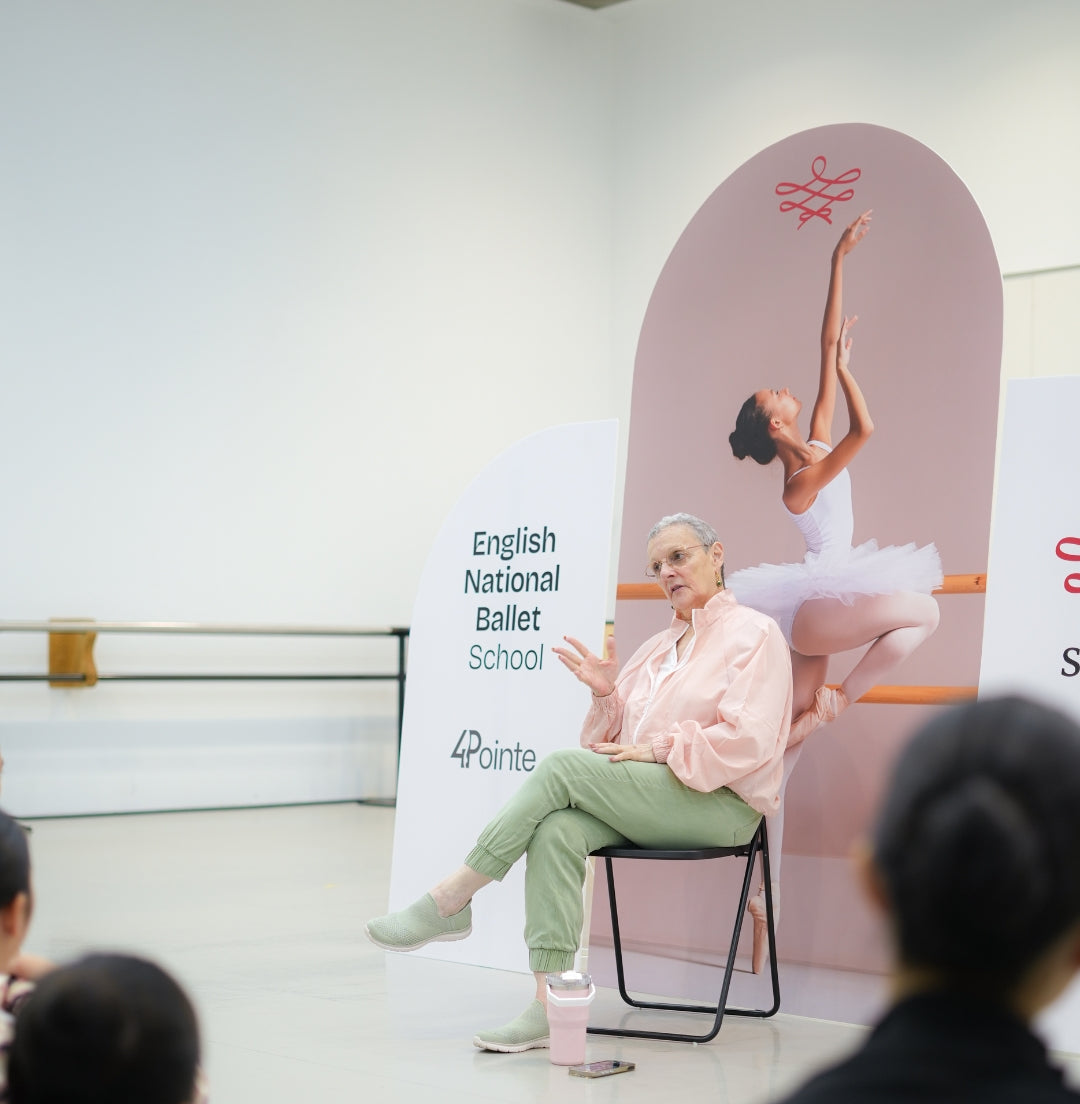
Shared values and alignment with Sonata
Sonata places strong emphasis on community, wellbeing, and purposeful training. How do these values align with your own philosophy?
They align completely. Dance education must support the dancer as a whole person, physically, mentally, and artistically.
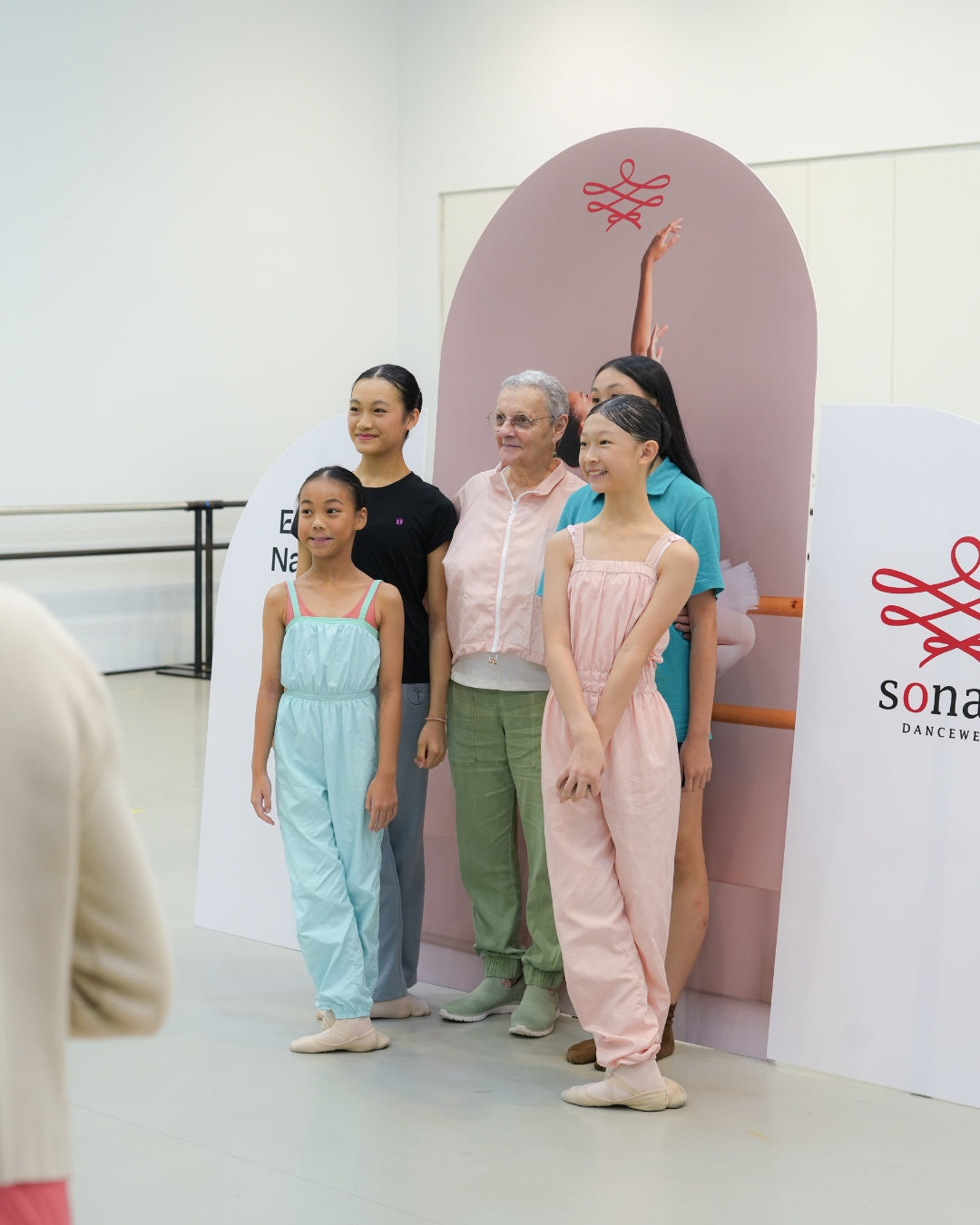
What resonates with me about Sonata is its commitment to building something meaningful around dance. Creating space for education, conversation, and collaboration, not just focusing on outcomes. That approach is essential for dancers today.
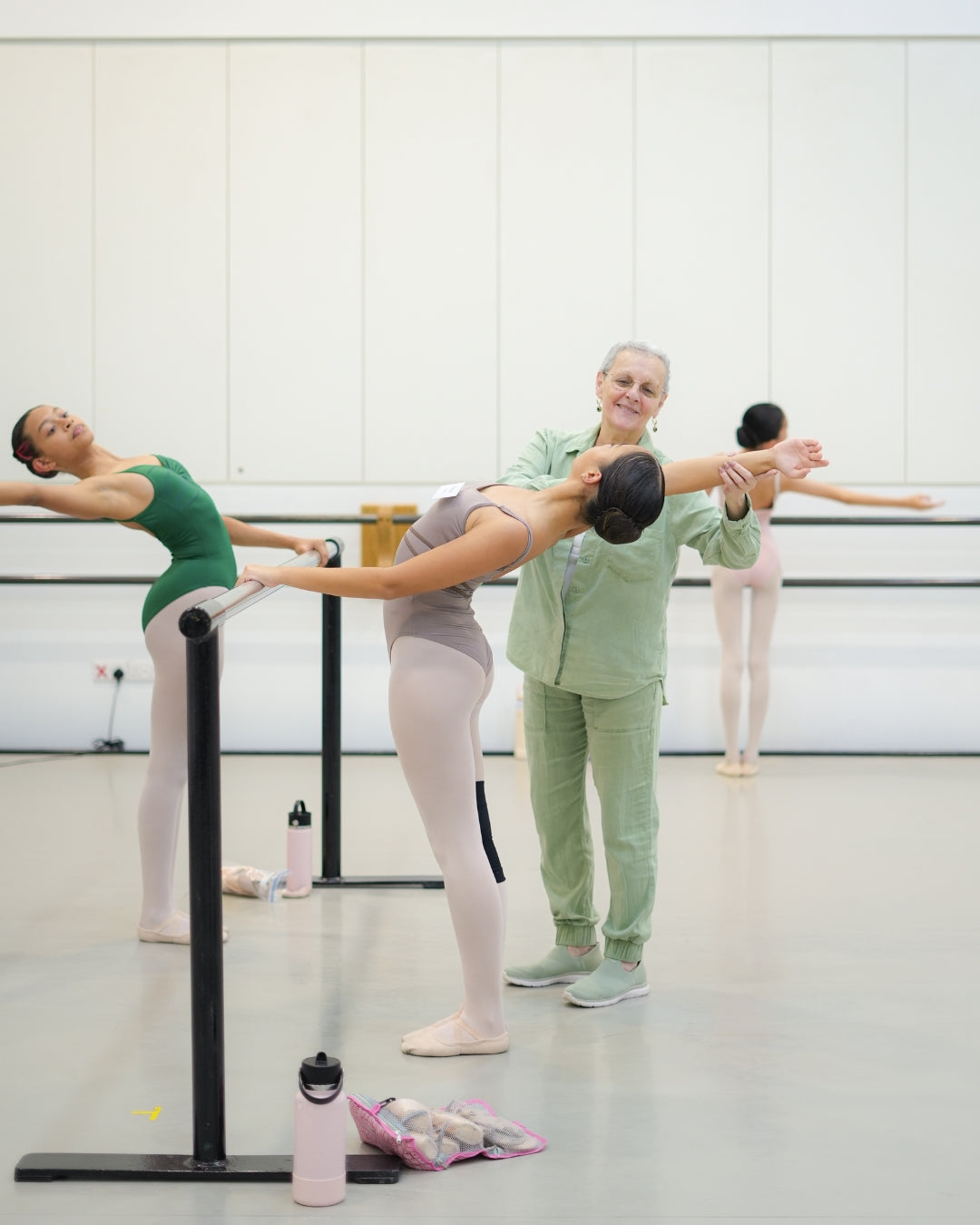
A shared philosophy, felt globally
How has this philosophy resonated with your experience working with the dance community in Singapore?
Being surrounded by like minded people who genuinely care about what is best for their students is incredibly powerful.
When you share concerns about the future of dance and realise you are not alone, you feel stronger together. That sense of connection and shared responsibility matters more than ever.
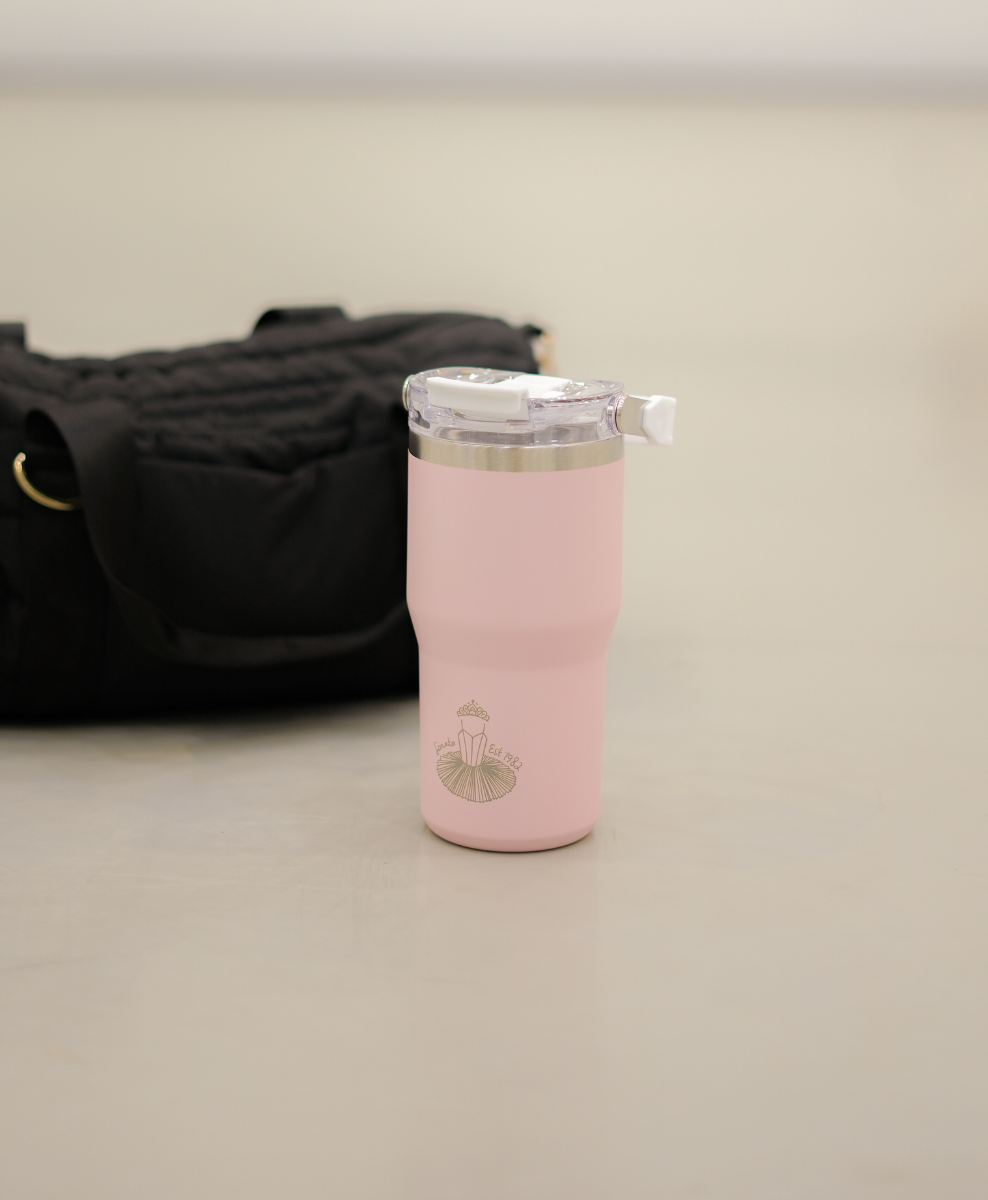
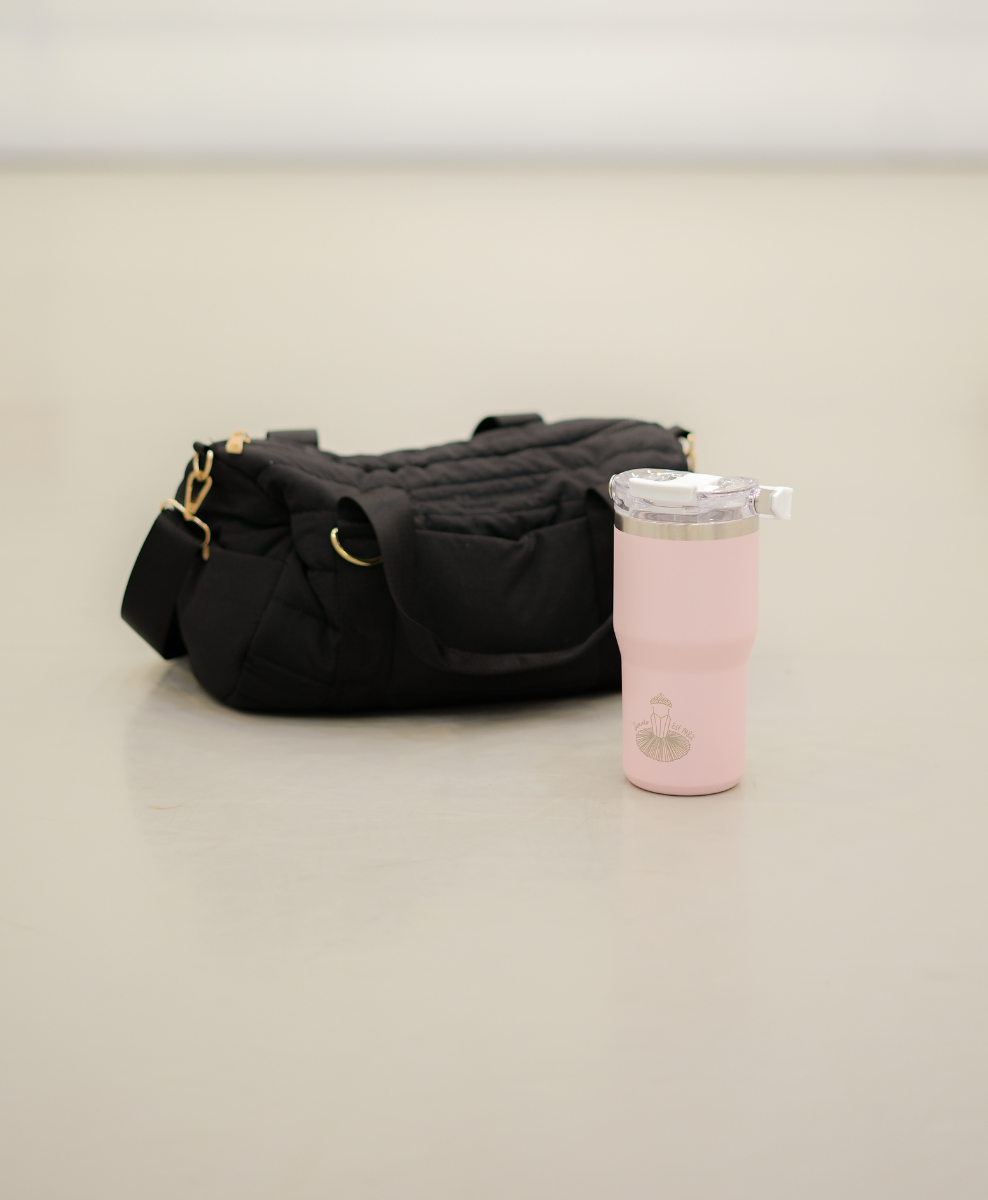
Shop Lynne’s Favourite